Unveiling the Mystery: Animal Bones Buried under Thresholds and around Foundations of Old Finnish Homes

Unveiling the Mystery:
read more




There are many ways and styles to sharpening a chisel, I will include some links for you to consider. The end result is always the same ‘ A sharp Chisel’ waiting to get blunt. Consider the following 10 points in their care and maintenance and they will serve you a life tim. will serve you a life time
I still have some of the original chisels my father had as an apprentice, they have seen many years of service. Every time I lift them I feel the power and love my father had for them and his craft.
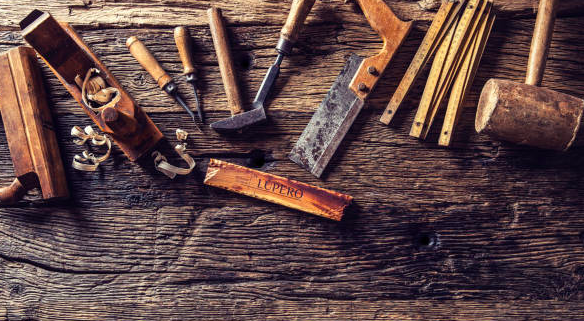
Today many carpenters carry only a ‘hacking’ chisel, ive even known carpenters to not carry handsaws!!! ….a sign of the times I kno, bad sad that the craft is losing the romance it once held. I love my old tools, and they need to be used, not looked at on a shelf or hidden away….feel them, look at them, what have they seen?….what have they experienced, look deep and rekindle the connection between you and your tools…
1. Proper care and maintenance of wood chisels is essential to ensure their longevity and optimal performance.
2. After each use, it is important to clean wood chisels thoroughly to remove any wood chips, dirt, or debris. Use a brush or compressed air to clean out the chisel’s flutes and bevels.
3. To prevent rusting, it is crucial to dry the chisels completely after cleaning. Wipe them with a clean cloth and consider applying a thin coat of oil or wax to the metal parts.
4. Sharpening wood chisels regularly is necessary to maintain their cutting edge. Use a sharpening stone or honing guide to achieve a sharp and precise edge.
5. When sharpening, it is important to maintain the original bevel angle of the chisel. Avoid changing the angle drastically, as it can affect the chisel’s performance.
6. To protect the cutting edge and prevent accidental damage, it is advisable to use chisel guards or blade covers when storing or transporting wood chisels.
7. Proper storage is crucial to prevent damage to the chisel’s cutting edge. Consider using a chisel rack or a dedicated tool roll to keep the chisels organized and protected.
8. Avoid using excessive force or striking the chisel with a metal hammer, as it can cause the handle to split or the blade to chip. Instead, use a wooden mallet or a hammer with a non-metal head for striking.
9. If the chisel’s handle becomes loose, it is important to address it promptly. Apply a small amount of wood glue to the handle’s socket and tap it back into place. Allow the glue to dry completely before using the chisel again.
10. Regularly inspect the chisel for any signs of wear, such as cracks, chips, or bent blades. If any damage is detected, it is advisable to repair or replace the chisel to ensure safe and efficient use.
Click Here……Follow this link to a great video, by Paul Sellers a very well known craftsman that shares his knowledge clearly and simply:
Related

Unveiling the Mystery: Animal Bones Buried under Thresholds and around Foundations of Old Finnish Homes

The Symbol of Hannunvaakuna, what it means in Finnish Culture.

Freelancing for local company RedSky yachts. Repairs and maintenance to various racing and leisure yachts. Making molds and fibre glass works to a new 6m class racing yacht.